TOEFL対策コラム

5分でわかる! Independent   Introduction(序論)

┃ TOEFL ライティング Independent     Introduction(序論)

Introdcution(序論)とは、エッセイの書き出し段落です。

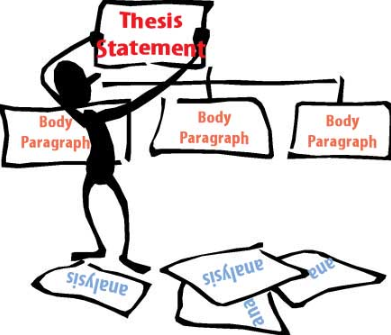
Introductionで最も重要な部分は、thesis statement (エッセイ全体の主旨)となります。


読み手が、thesis statementを読んで、エッセイのアウトラインが

分かるようにしなければいけません。


▮ 次の設問とエッセイのIntroduction(序論)を読んでください。


設問

Some people think that government should spend as much money as possible on developing space technology for the exploration of the moon and other planets. Others think that this money should be spent on solving the basic problems of society on Earth. Which view do you agree with? Use specific reasons and examples to support your answer. 


Introduction (序論)

Society is often divided on major issues involving government spending. One group believes that we should spend as much money as possible on space exploration, while another group thinks that we should spend this money on solving basic social problems on Earth. I believe there are stronger reasons for spending on space technology because this leads to knowledge that will benefit society on Earth.


① 第1段落は、設問のトピックになります。

Society is often divided on major issues involving government spending. 


②  次の段落は、設問にある文を解答者の言葉で言い換えています。

One group believes that we should spend as much money as possible on space exploration, while another group thinks that we should spend this money on solving basic social problems on Earth. 


③ 最後の段落は、設問に対する解答者の意見になります。 

こちらはThesis statementと呼ばれ、エッセイ全体の主旨(メイン・アイディア)となります。

これから展開するエッセイの本題でThesis statementを、

理由と具体例を挙げて説明していくとこになります。


I believe there are stronger reasons for spending on space technology because this leads to knowledge that will benefit society on Earth.


Introductionで役に立つ表現


● 賛成・反対を示す

I agree with ~  / I am in favor of ~  「私は~に賛成です。」

I disagree with ~  / I am against~ 「私は~に反対です。」


 意味・好みを述べる

in my opinion / from my point of view 「私の考えでは」

I prefer ~ to … 「私は…よりも~を好みます。」


 反対の立場に触れる

Some people ~ .  However, …. 「~という人もいます。しかしながら、…」

Although ~ ,…  「~ですが、・・・」

5分でわかる! Independent ブレインストーミング


| TOEFL ライティング Independent  ブレインストーミング

Prewriting エッセイを書き始める前の準備

Prewritingとは、エッセイを書き出す前の準備です。 Prewritingに含まれるものは

こちらになります。


☑ 質問を読んで解答(エッセイ)の構成を考える

☑ ブレインストーミングで浮かんだアイディアをメモ用紙に書き込む

☑ 自分の意見とthesis(主題文)を決める

☑ エッセイのアウトライン(本論の箇条書き)


▮ ブレインストーミング (Brainstorming )


エッセイを書き始める前に、どのように内容を展開していくかを十分検討していないと、

書いているうちに論点がずれていくことがあります。 論点がずれることで、

内容に一貫性のないエッセイになってしまうので、スコアは低くなります。

エッセイを書く始める前に、3~4分でブレインストーミングをすることが大切です。

エッセイの構成に必要なことを短い間にできるだけメモに書き出すことを

ブレインストーミングと言います。


ブレインストーミングに書き出すのは、主に、本論(Body)で使う

意見、理由、例・詳細です。


thesis (主題文)


Independent Taskでは、thesis(主題文)とは、トピックに対するあなたの意見になります。


例えば、thesisは以下のようになります。


state that you agree with a given statement; or

state that you disagree with a given statement; or

state which of two positions you hold on a given issue.


アウトライン(Outline)    エッセイの本論を短くまとめる


アウトラインとは、これから書き出すエッセイの設計図のようなものです。

ブレインストーミングで書き出した理由と例・詳細を段落ごとに箇条書きにします。

ここでは、正確な文は必要ありません。 短く要点だけを書き出します。


アウトラインを書き出す前に、先ほど説明したthesis(あなたの意見)

は決まっていることが前提です。


ブレインストーミングで書き出したアイディア から2~4つの理由と例・詳細を

選びエッセイの本論(Body)として適切な順番に書き出していきます


それでは、実際の質問を使って、ブレインストーミング、Thesis, アウトライン

を書き出してみます。


▮ 質問


Do you agree or disagree with the following statement? Teachers are responsible for motivating students to learn. Use specific reasons and examples to support your opinion.

● ブレインストーミング(Brainstorming) 


Disagree-Student is responsible, not teacher

– self-motivated

– S not motivated, T can’t help

– People naturally want to learn

– my teacher – grade 5

– work/whole life

– learning – no teacher


● Thesis (主題文)

Although many people believe it is the teacher’s responsibility to motivate students to learn, students will not learn much unless they are self-motivated. 


● アウトライン (本論の箇条書き)


– Natural love of learning

– Learning during whole life

– Develop self-motivation  


TOEFLスピーキングPerfect Master (Intermediate) Q 2 レッスンの流れ

TOEFL スピーキング Q 2 |学習ステップ|


マイチューター 「TOEFL スピーキング Perfect Master (Intermediate)」 

カリキュラムでは、Question 2  対策として、試験問題標準レベルで様々な

トピックを使い、以下の流れで効果的、実践的な練習を繰り返し、スコアアップへ導きます。


目標スコアー 80点(Speakingセクション 20点)を目指す受講者に適した

カリキュラムになっています。


学習ステップ


ステップ   1  始める前に(1)  トピックに関連した会話を聞いて質問に答える

ステップ   2  始める前に(2)    トピックに関連した講義を聞いて質問に答える

ステップ   3  解答を組み立て   解答へ導くために用意された質問に解答する。

ステップ   4  スピーキング    上の情報を基に解答する。

ステップ 4  比較と復習     模範解答を聞いて、自分の解答と比較します。 


学習ステップ


Read and answer the question following each step


▮ Question

Some people take trips by themselves. Others take trips with groups of people. Which kind of trip do you prefer and why? Use specific reasons and examples to support your preference.

STEP 1   |Before you start(1)|Listen to the dialogue. Then, answer the questions to get some ideas about the subject.

スクリプト

W: What are you going to do for your spring break vacation, Henry?

M: I haven’t made any plans yet.

W: There’s a group from our dorm going skiing in Vermont.

M: Sounds good. Who’s going?

W: Let’s see, I think ten people. David, Alan, Joe, Steve,Tom …

M: Tom? No way. I’m not going anywhere with him.

W: Why not?

M: He’s cheap and never wants to spend his money. Besides, he can never make up his mind about anything. Anyway, in a group that size, there’s bound to be a problem.

W: Maybe you’re right. So what are you going to do?

M: I think I might just go home to see my family.


1 What are they discussing?

________________________________________________________________

2 Where is the group of students planning to go?

________________________________________________________________

3 Why doesn’t Henry want to go on the trip?

_________________________________________________________________

4 Do you think Henry enjoys skiing?

_________________________________________________________________

▮ 解答例

  1. They are discussing their plans for spring break.
  2. hey are planning to go skiing in Vermont.
  3. He doesn’t want to go because of Tom’s character and because the group is too big.
  4. Yes, he enjoys skiing because he said it sounded like a good idea.


STEP 2   |Before you start(2) | Now listen to the lecture. Then, answer the questions to get some ideas about the subject.


スクリプト

Tourism is big business all over the world. The package trip with a tour group is the most popular way to travel for the elderly, with almost 85% of tour group travelers being 50 years and older. Many hotels give discounts of up to 20% for large groups. On the other hand, for young travelers, backpacking remains popular, especially in Europe. Some travel alone while others go with friends, but young travelers almost never join tour groups. In a recent survey, the main reasons for not joining tour groups were the cost and desire to have a flexible schedule. However, young travelers, especially women, are advised to travel with others to avoid dangers.


1 Which two groups of people does the lecturer compare?

_________________________________________________________________

What is one advantage of traveling in a large group?

_________________________________________________________________

3 Why are young people advised to travel with others?

_________________________________________________________________

4 What can be inferred about the schedule of a tour group?

_________________________________________________________________


▮ 解答例

1. She compares elderly and young travelers.

2. Large groups can get discounts at hotels.

3.  They should travel with others to avoid the dangers of traveling alone.

4.  It isn’t flexible.


STEP 3 Organizing  解答の組み立て | Ask yourself the following questions and organize your ideas.


1 Which of the two choices do you prefer?

2. Why do you find this choice more preferable?

3 Give some supporting details for your choice.


1 I prefer ________________________________________________ _

2-1 First reason ___________________________________________ _

3-1 Details _________________________________________________

__________________________________________________________

2- 2 Second reason _________________________________________ _

3- 2 Details ________________________________________________

___________________________________________________________


▮ 解答例 A by myself

1. To take a trip by myself

2-1. I can be more flexible when making decisions.

3-1. I can decide where I want to go. I can change my mind if I want to go somewhere different. I don’t have to follow a tight schedule.

2-2. I may not get along with the others in my group.

3-2. We may have different personalities. We could have arguments about many things. I might lose a friend if I argue with one.

▮ 解答例 B with groups


To take a trip with others

2- 1. It’s safer to travel in a group.

3- 1. It’s safer to be with others when traveling. A tour group leader could help us.

2-2. We can have some shared experiences and memories.

3-2. It’s more interesting to travel with others. We can have some experiences that will provide good memories forever


STEP 4  |Response 解答| Make your response using the above information.


I would rather ________________________ One reason I prefer this is

_____________________________________________________________

______ On the other hand, ____________________________________ _

Another good point is _________________________________________

_____________________________________________________________


STEP 5  | Compare 比較 | Listen to a sample response, and compare it with yours.


解答例 A by myself

Of the two options, I would choose to travel alone than in a group. Firstly, by traveling alone, I can decide where to go and what to do. I don’t have to agree to do something just to make others happy. Also, I can be more flexible and change my mind. My trip can be more exciting and interesting than it would be if I had to follow a tour group’s set schedule. Secondly, I may not get along with the other people I’m traveling with. Everyone has different personalities. Some are lazy or cheap, and others can never make up their minds. If we have an argument, it could ruin the trip or even our friendship. So, I prefer to travel alone.


解答例 B with groups

I’d rather travel in a group than alone. To begin with, traveling in a group is safer than traveling alone. If I were alone, I might have some problems, yet no one could help me, especially in a foreign country where I don’t speak the language. If I’m with a tour group, the leader almost always speaks the local language. In addition, traveling with a group can give you and your travel partners man shared experiences and lots of good memories from the trip. Since it’s more interesting to travel with others, you can get memories from your trip that will last a lifetime. That is why I prefer traveling with a group of people.


ネイティブのリアル英語 carry-on (baggage)   (飛行)機内持ち込み手荷物

アメリカ人が毎日使うスラング・イディオムを学ぶ!

ネイティブのように話せるようになるのも”in no time”(あっという間)!

ネイティブのリアル英語    carry-on (飛行)機内持ち込み手荷物

飛行機などに持ち込む荷物は carry-on (baggage) と呼びます。

carry on はそのまま「持ち込む」という意味です。


対して預ける荷物は checked (baggage) と言います。


carry onはいくつかの意味があり、最も見かけるのは「継続する、続ける」

です。この他にも「わめく、騒ぐ」といった使い方や、古臭い表現で

「いちゃつく」みたいな意味もあります。


例文1


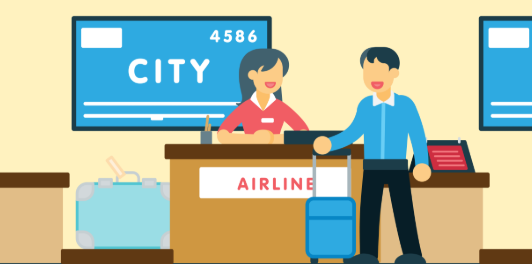
まず、空港に着いて飛行機に乗る前に行うのがチェックインです。

預ける荷物について聞かれたときに、機内に持ち込む荷物であることを

説明するときに使える表現です。


A: Do you have any luggage to check?

(何か預けるお荷物はありますか?)

B: Yes, I have two baggages, and this is my carry-on bag.

(はい。荷物が2個です。こっちは機内に持ち込む荷物です。)


例文2


こちらは機内に持っていく荷物があることを伝える英語フレーズです。

「機内に」という意味で”into the cabin”を使っています。


A: Do you have any hand-baggage?

(手荷物はありますか?)

B: Yes, I’m carrying this bag into the cabin.

(ええ、機内にバッグを持ち込みます。)


▮ 荷物にまつわる、英語圏の国々で実際に見かけた案内標識を集めてみました。


  • 機内持ち込み荷物 = cabin ~ / hand ~
    ├ cabin luggage / cabin baggage
    └ hand luggage / hand baggage


  • 機内預かり荷物 = check-in ~ / checked ~
    ├ check-in luggage / check-in baggage
    └ checked luggage / checked baggage


  • 重量超過荷物 = excess ~ / overweight ~
    ├ excess luggage / excess baggage
    └ overweight luggage / overweight baggage


  • 荷物受け取り所 = ~ claim / ~ reclaim
    ├ luggage claim / baggage claim
    └ luggage reclaim / baggage reclaim


  • 荷物の許容量 = ~ allowance / ~ limitation
    ├ luggage allowance / baggage allowance
    └ luggage limitation / baggage limitation


  • 荷物の紛失・盗難 = lost ~
    └ lost luggage / lost baggage


  • 荷物の破損 = damaged ~
    └ damaged luggage / damaged baggage


carry-on 機内持ち込み手荷物 」 習得・攻略


ネイティブのリアル 英語:

When you go to Paris for the week, just take a carry-on. That way you can avoid the long line at baggage claim.

学校で教わる英語:

When you go to Paris for the week, just take a small bag which you can easily carry with you on the airplane. That way you can avoid the long line at baggage claim.

ネイティブのリアル発音:

When ya go da Paris fer the week, jus’ take a carry-on. That way you c’n avoid the long line ’it baggage claim.


同義語、類義語

a small bag which one can easily “carry on” and place in the airplane.

SLANGMAN  スラングマン  レッスンコース

アメリカ英語で使われるスラングとイディオム 習得カリキュラム

レッスンコースの詳細はこちら

 5分でわかる! Independent 文章構成

| TOEFL ライティング Independent  文章構成

▮  文章の構成 (Organization)とは

TOEFL ライティング Independent Taskでは、

提示されたトピックに対し、自分の意見や考えをエッセイで表現

するテストです

採点の重要なポイントは、文章(エッセイ)の構成力です。


文章の構成(Organization)とは、以下の3つです。


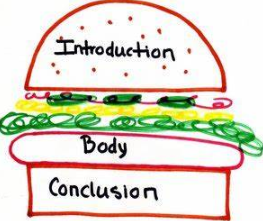
①   Introduction (序論) 
②   Body (本論)
③ Conclusion (結論)


ここではTOEFL ライティングIndependentにおける、

高得点を取るための構成について示してみます。


 ①Introduction (序論)

Introduction とは、エッセイの書き出し段落です。

Introductionで最も重要な部分は、thesis statement (主文)となります。

読み手が、thesis statementを読んで、エッセイのアウトラインが

分かるようにしなければいけません。


先ず初めに、自分の意見を明確に表す一文を必ず書きます。

また、全体の構成を示すために、理由をダイジェスト的に述べる

手法もありますが、「~という人もいますが、私は・・・」と反対の

立場に触れたり、「理由は3つあります」と全体の構成をシンプルに

示したりすることもできます。

あくまで、Introductionなので、長々と書かないこと、時間を

かけすぎないことに留意します

エッセイの冒頭部分次第で、読み手は内容を見ずに読む気を失うか、

読み進めるかを決めるのです。


 ②   Body (本論)


Body (本論)では、Introduction (序論) でのエッセイの

アウトラインであるthesis statement を理由と具体的な例を挙げながら、

確固たるものにしていきます。

1段落に1つずつ理由を展開させていきますが、ディスコース・マーカー

を用いてわかりやすく構成を示すことがポイントです。

また、1つ1つの文が論理的につながっているか、書いているうちにトピック

や自分で挙げた理由からそれていないかについてもよく確認しましょう。


③ Conclusion (結論)

Conclusion (結論)はエッセイの最後の文になります。

introduction (序論)で書いたエッセイのアウトラインthesis statementと、

それを具体的に証明したbody (本論)をベースに、まとめたものを、簡潔に書く最終文となります。

間違いを避けるためにほぼ同じ語句を用いてもよいですが、少し言い換えて

多様な表現を用いることを目指すとよいでしょう。


toefl writing 19


5分でわかる! Independent  概要と高評価の取り方


| TOEFL ライティング Independent     概要と高評価の取り方


▮ Independent Task の概要と高評価の取り方

TOEFL ライティング Question 2 は、提示されたトピックに対し、

自分の意見や考えを解答する独立問題形式 Independent Taskです。 


エッセイ(解答文)には「良い構成」が求められ、まとまりと一貫性を維持した

論理展開が重要視されます。


また、「表現力」の豊かさ」も採点基準の1つですので、豊富な語彙、表現

を使用することも必要です。


▮ 問題形式


TOEFL ライティング Question 2 で出題されるトピックは、主として以下の

2つのパターンに分けられます。


agree / disagree 型 : ある事柄や意見に対して、「賛成」か「反対」かを問うもの。


Do you agree or disagree with the following statement?   Teachers are responsible for motivating students to learn.   Use specific reasons and examples to support your opinion.


prefer型: 挙げられている2つの事柄や意見のうち、どちらを好むかを問うもの。


Some people like to spend their leisure time doing activities with a lot of people. Others prefer to spend their leisure in quiet ways by themselves or with one other person. Which do you prefer?  Use specific reasons and examples to support your answer. 


解答時間は30分、適切とされる解答の語数は300語以上です。 

トピックと残り時間は、使用後数はコンピューター画面に表示され続けます。

Question 1と同様、アイディアを書き留めるために、鉛筆とメモ用紙を

使用することができます。


▮ Independent Taskの評価基準

解答は最低2名の採点者が、以下の3つの観点から、0~5点で段階的に採点します。


  1. 課題の指示に対して的確に答えているか。
  2. 構成・展開に一貫性・まとまりがあるか。
  3. 文法・語彙に誤りがなく、表現は多様であるか。